
Diamonds & origin
A world within
every stone.
Drawn to the light. Moved by the colour. Discover the details that make a stone feel yours.
Discover the difference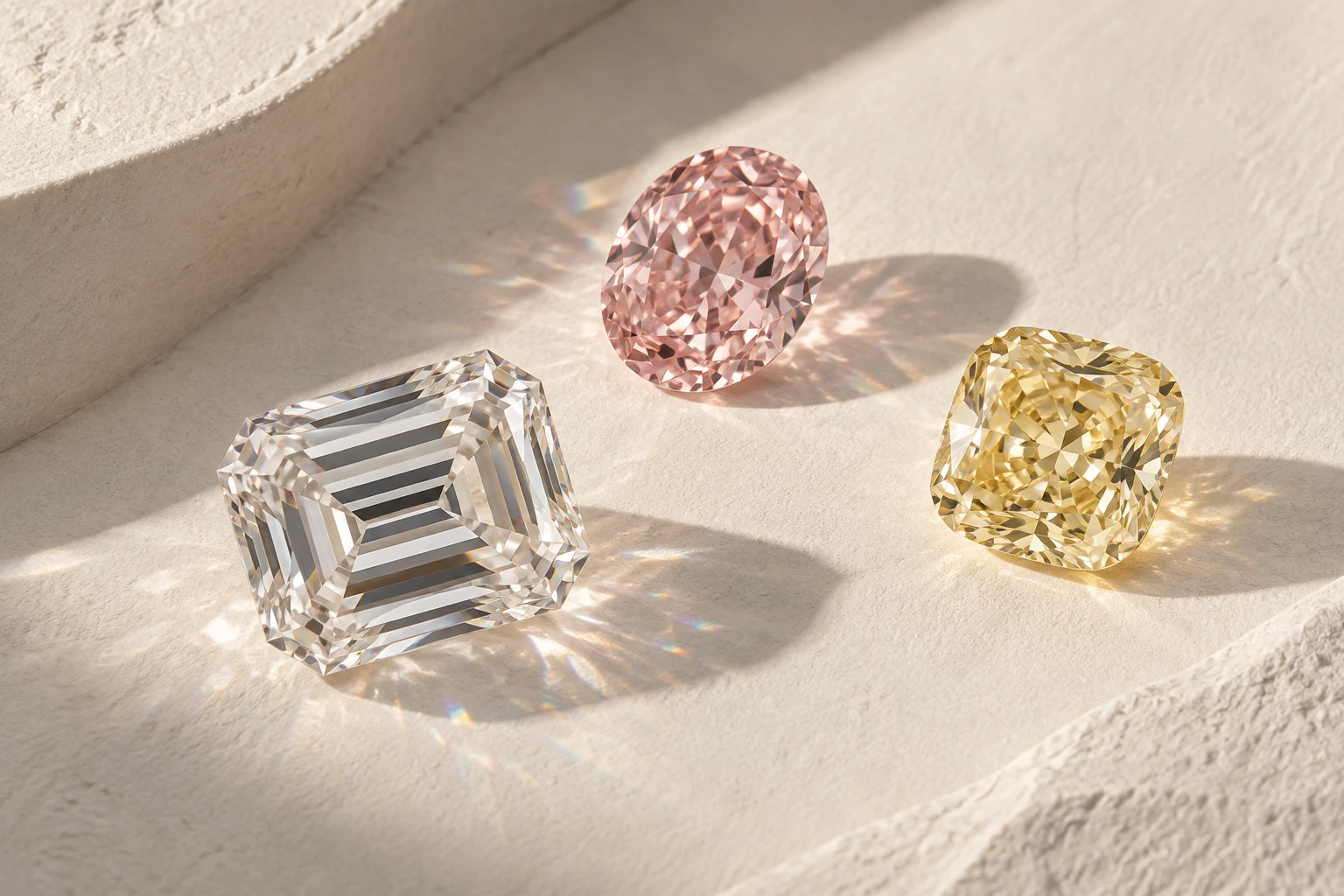
Different origins.
The same diamond.
Natural and laboratory-grown diamonds share essentially the same chemical, physical and optical properties. Their distinction begins with how they are formed.
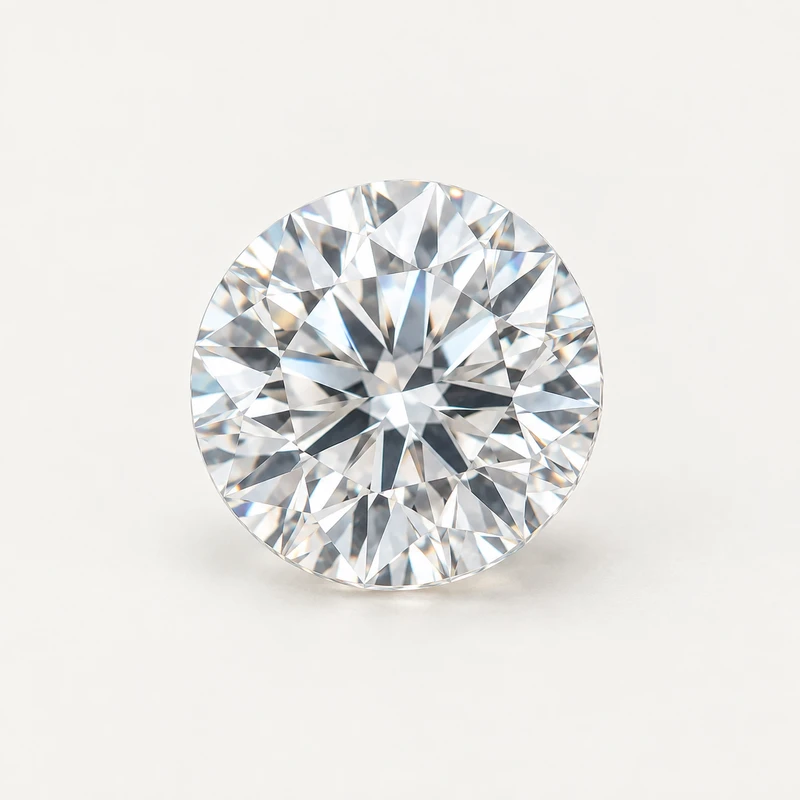
Natural diamonds
Created deep within the Earth over geological time. Each stone carries a natural history, with its own growth patterns and characteristics.
Laboratory-grown diamonds
Created in controlled conditions using HPHT or CVD technology. Diamond crystal, grown through a different process, then cut and polished.
A world of colour
From the softest blush to an electric blue-green. A palette of diamonds and coloured gemstones, each with a character of its own.
Colourless diamond
Light in its purest expression.
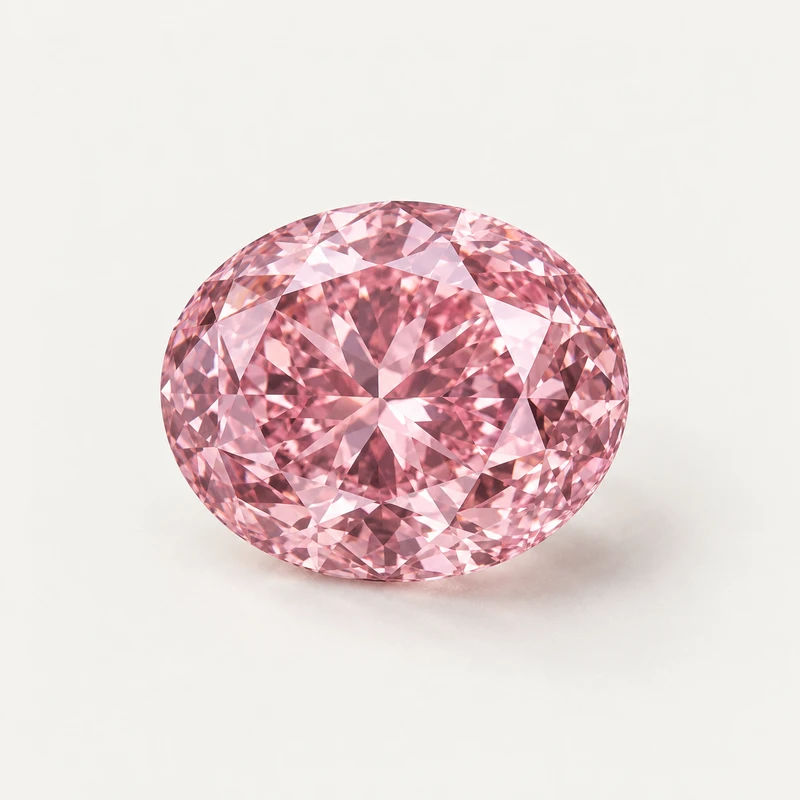
Pink diamond
A little romance. A quiet boldness.
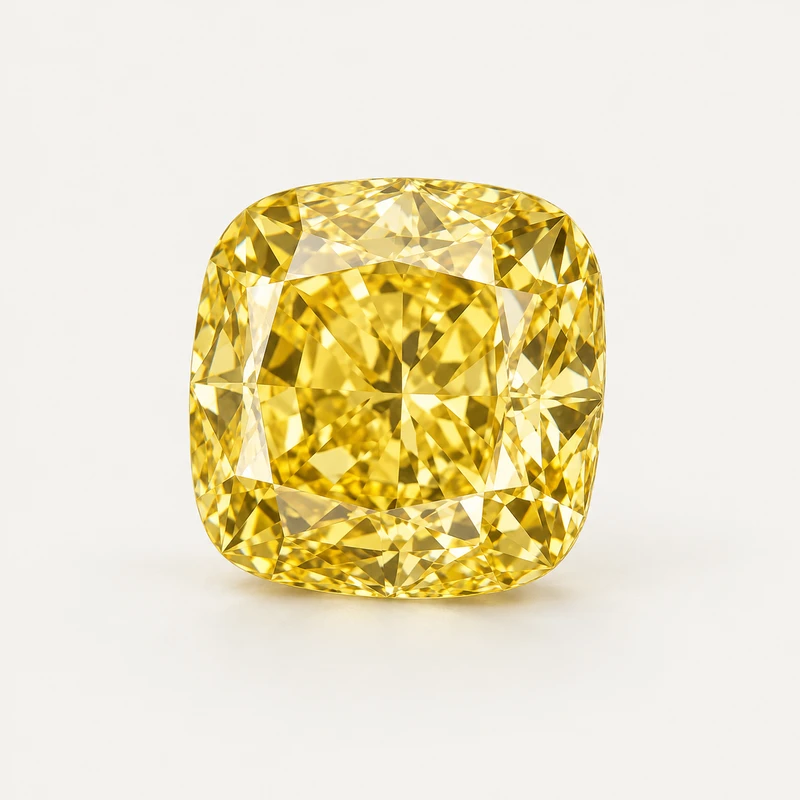
Yellow diamond
The warmth of a sunlit moment.
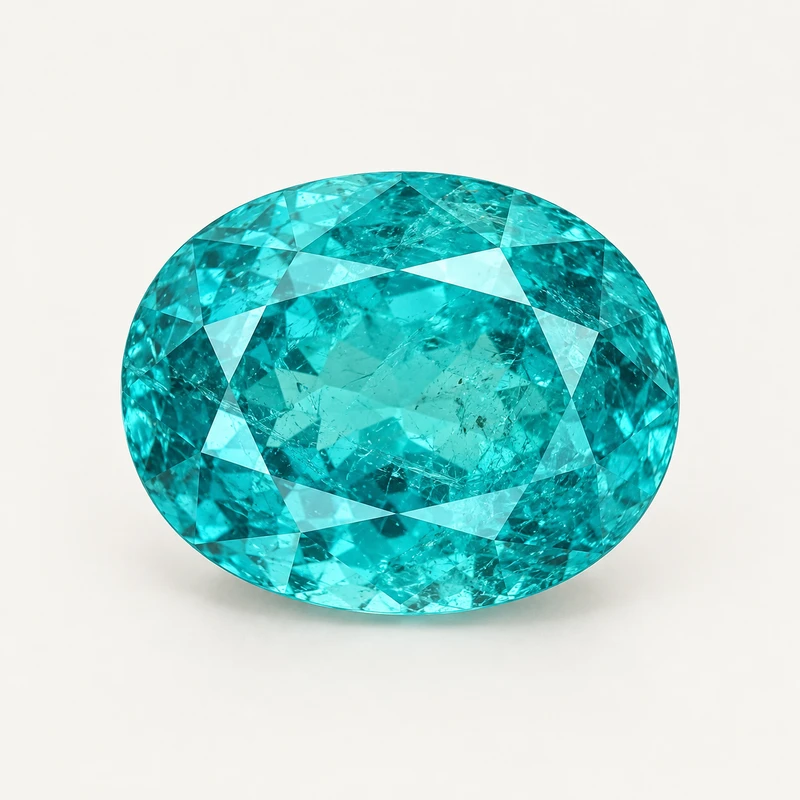
Paraíba tourmaline
An electric blue-green unlike any other.
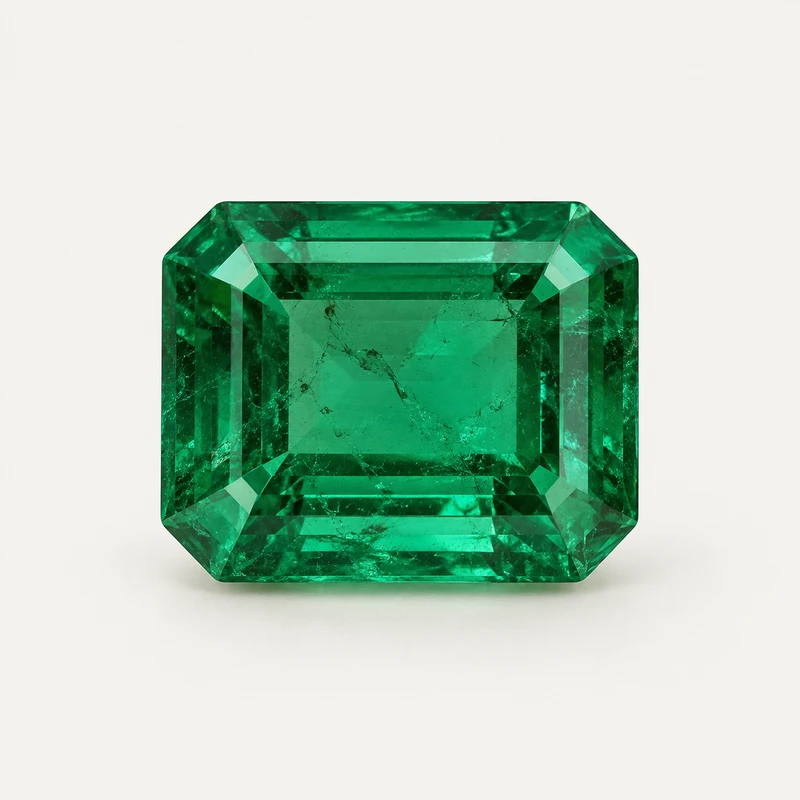
Emerald
Deep green. Unmistakable character.
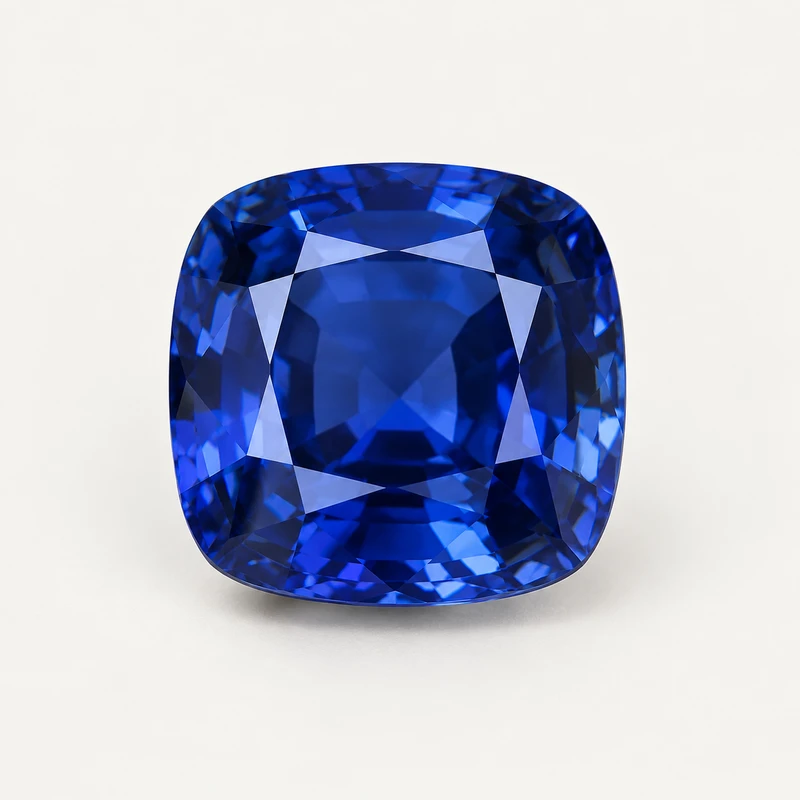
Blue sapphire
A rich blue with a world of depth.
Carat & shape
Carat defines weight
Carat measures a diamond’s weight, but not necessarily how large it appears. Shape, cut and proportions all influence its presence on the hand.
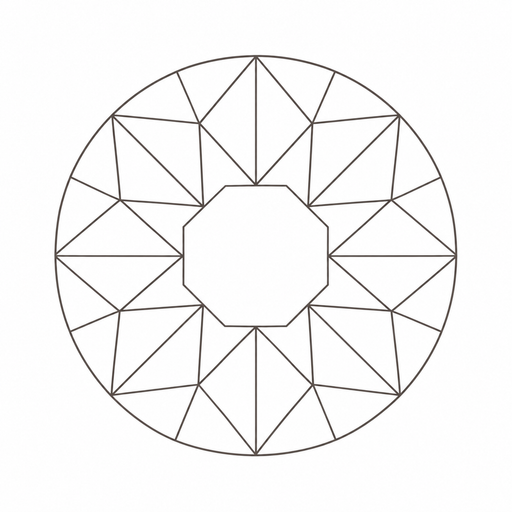
Relative illustration of round diamonds. Not actual size; proportions vary.
Find your shape
The outline sets the silhouette. The arrangement of facets gives it its play of light.
Round
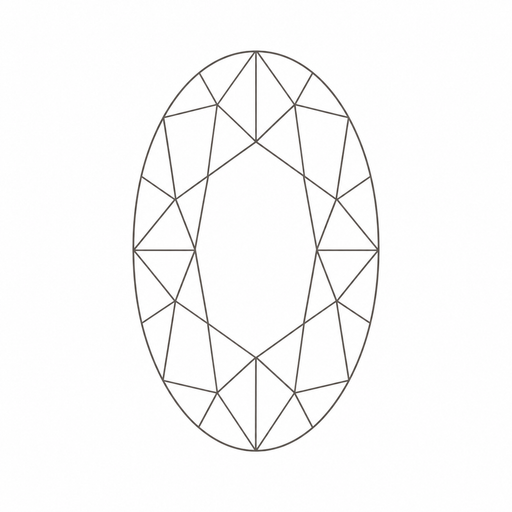
Oval
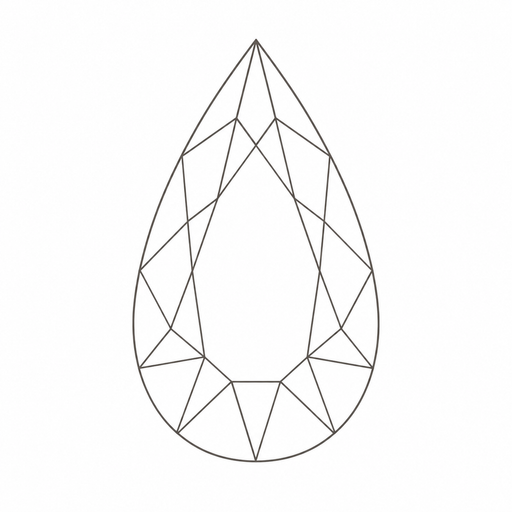
Pear
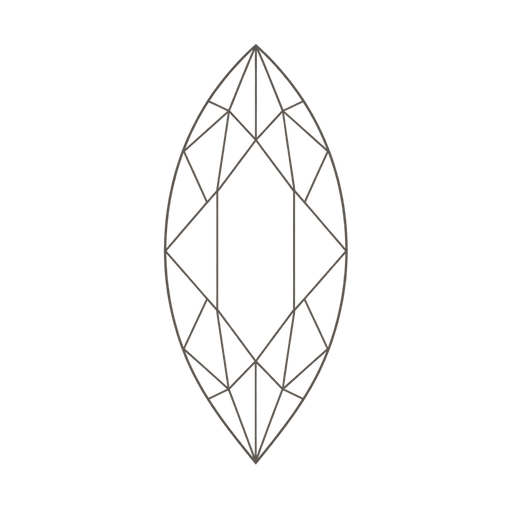
Marquise
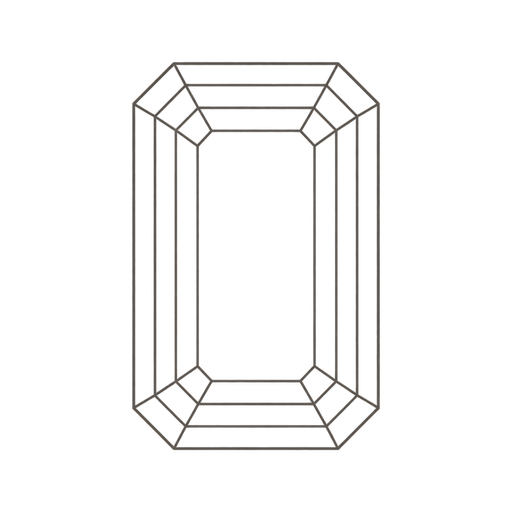
Emerald
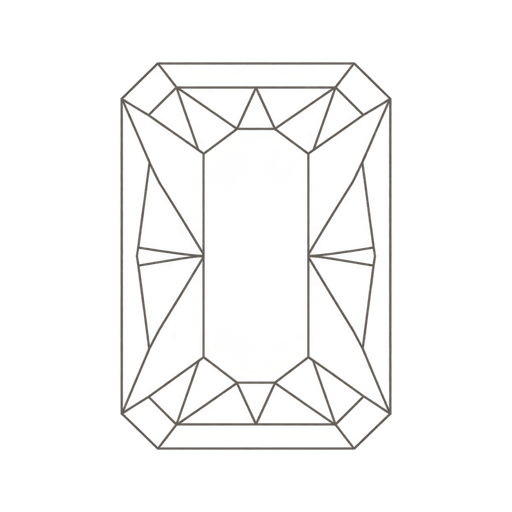
Radiant
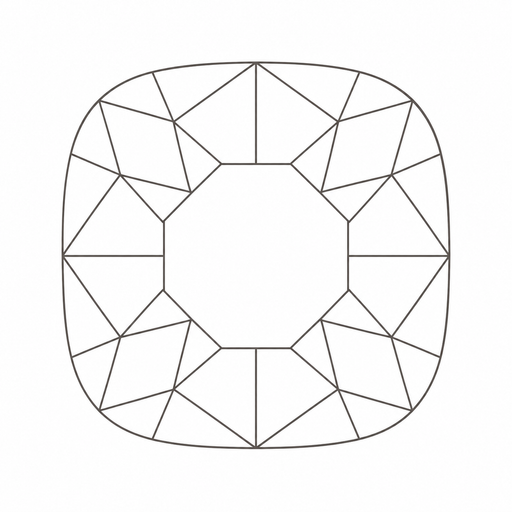
Cushion
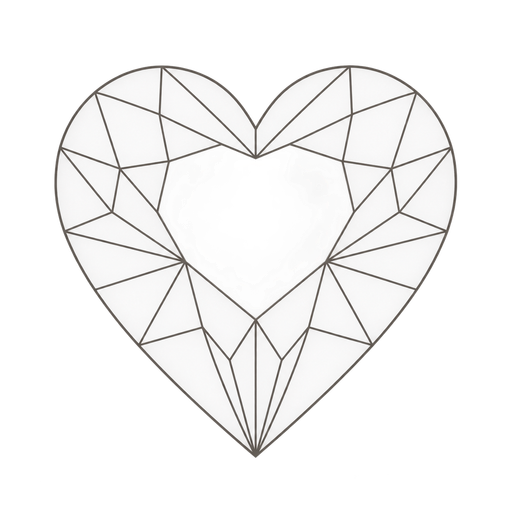
Heart
The whole picture matters: cut, colour, clarity and carat weight together describe a diamond beyond its outline.
The stone that
speaks to you.
Begin with what draws you in. Our team can guide you through origin, individual characteristics, treatments and available grading reports before you choose.